Top 10 Books of 2025
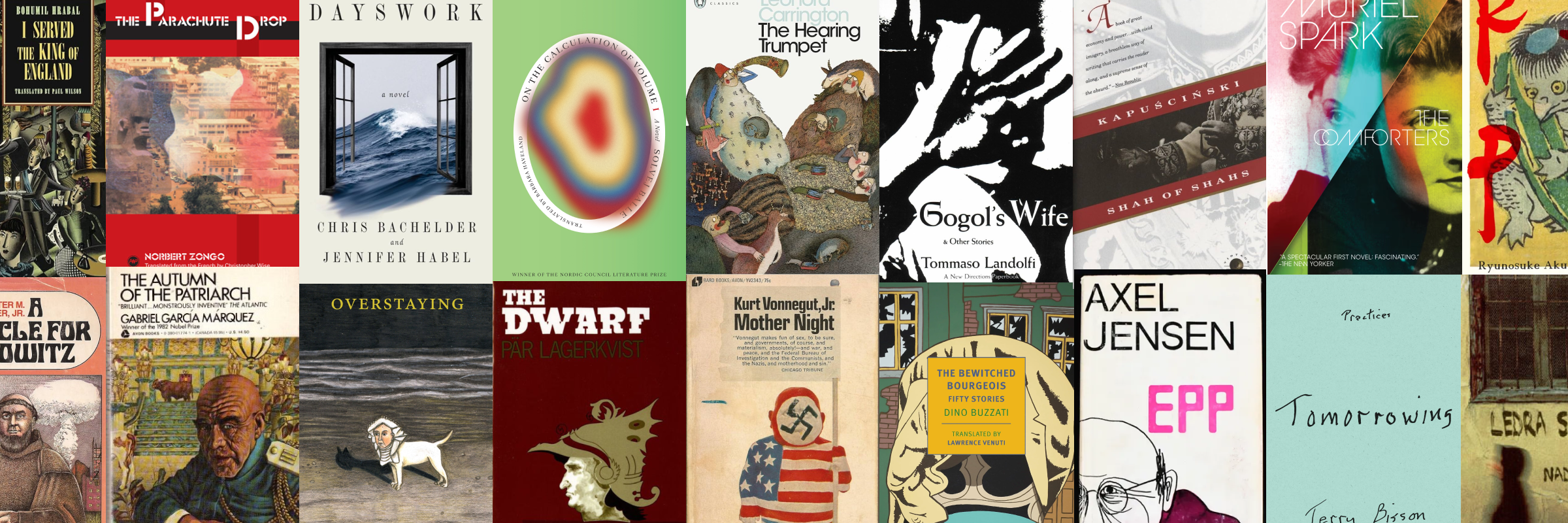
Each year I set a goal of reading at least 52 books. This year I read 73, spanning 32 countries and five continents.
The top ten is all fiction this time—unusual, given that I typically read about one-third nonfiction—and it stretches across four continents and eight countries.
For years I’ve advocated for reading in translation, for seeking voices beyond the contemporary U.S. canon, and more broadly, for reading beyond the comfort of relatability and instead toward books that unsettle, estrange, and refuse easy identification. These are the ones that stay with me most.
What follows is a cornucopia of absurdity, darkness, and delight. They’re listed in the order I read them because part of what makes a year’s reading memorable is the sequence in which it unfolds.
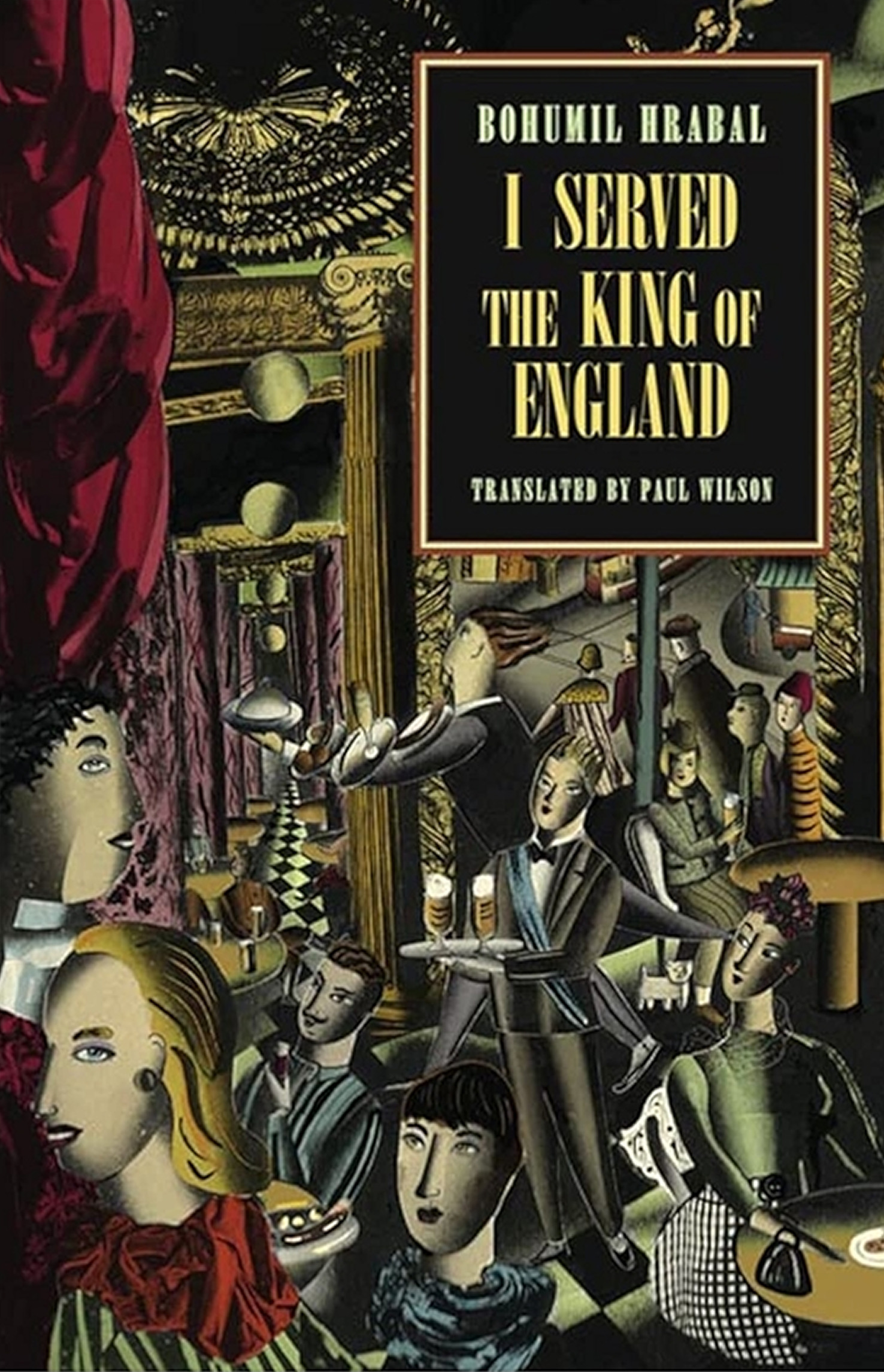
I Served the King of England
by Bohumil Hrabal
I’ve been in a single book club for over a decade, reading exclusively from the NYRB Classics series, which has placed many foreign writers on my radar, including Bohumil Hrabal. I Served the King of England is my fourth Hrabal and, like them all, it brims like them all with dark Eastern European comedy.
The novel follows Jan Dítě, a short, naïve but ambitious hotel waiter obsessed with money, stature, and women. Tailors inflate balloon replicas of their clients’ torsos and release them to the ceiling, where headless bodies hover like art installations. Poets measure success by how much road their books could pave. In one of the weirdest moments, Dítě adorns the naked bodies of prostitutes with flower petals. His defining brush with greatness is serving the Emperor of Ethiopia. There’s a bit of a Grand Budapest Hotel feel to it all: ornate and absurd, but far less forgiving. What carries you through is the voice. Hrabal’s prose flows like water—I read nearly eighty pages in a day, unlikely otherwise. You float alongside Dítě, who floats through one horrifying political transformation of the 20th century after another, happy with each new circumstance, each new order, eagerly climbing whatever new rung awaits him, until he loses it all and retreats to the mountains, watching pigeons with the same attentiveness he once gave emperors. It’s a particularly haunting image because Hrabal died from a fifth-floor fall, reaching out the window to feed pigeons. If you don’t know whether to laugh or cry, you’re not alone. Hrabal is a master at balancing the silly and the serious.
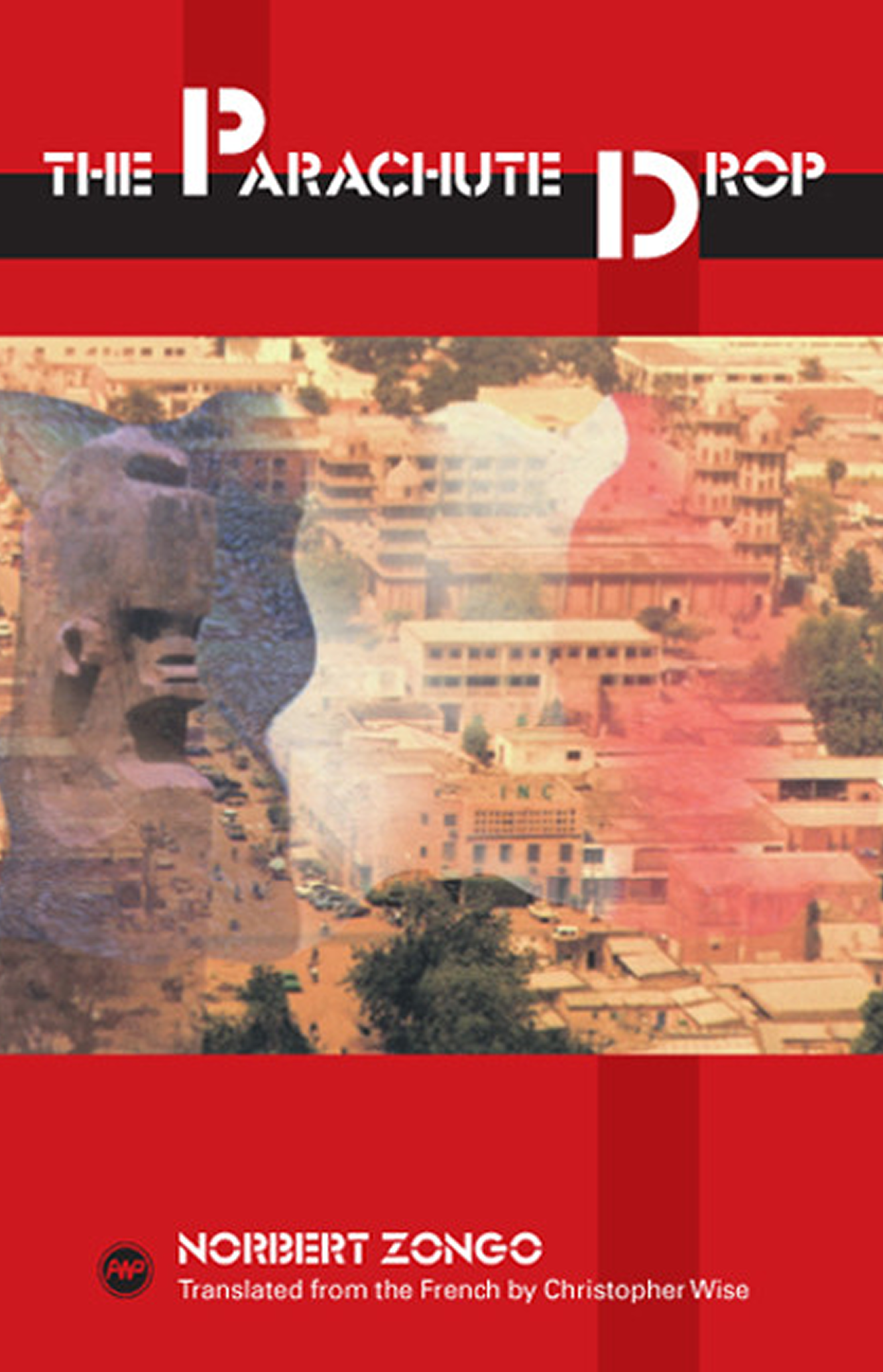
The Parachute Drop
by Norbert Zongo
Somehow I missed this book from Burkina Faso in my around-the-world reading journey.
The Parachute Drop follows a corrupt dictator in the fictional nation of Watinbow who is toppled in a coup and then attempts—violently, absurdly, desperately—to claw his way back to power. The narrative wastes no time; it escalates quickly and never slows.
What’s startling is how close and intimate we are with the tyrant. Zongo walks an extraordinarily fine line: he renders the man fully human without ever inviting sympathy. Moments of apparent humility, remorse, or personal growth draw you close to sympathy, only to be undercut the instant power seems back within reach, making his reversals feel all the more deplorable. He isn’t a caricature or a mere punching bag. He is a failed human being, convinced of his own righteousness, receiving his just desserts. The novel feels almost gleeful in the way it punishes him, page after page.
The reading becomes eerier knowing that Norbert Zongo was a journalist arrested and beaten after writing this novel, and later murdered for criticizing Burkina Faso’s president. The parallels are chilling, and the courage it took to write this book is undeniable. But the novel stands on its own—vicious, controlled, unsparing.
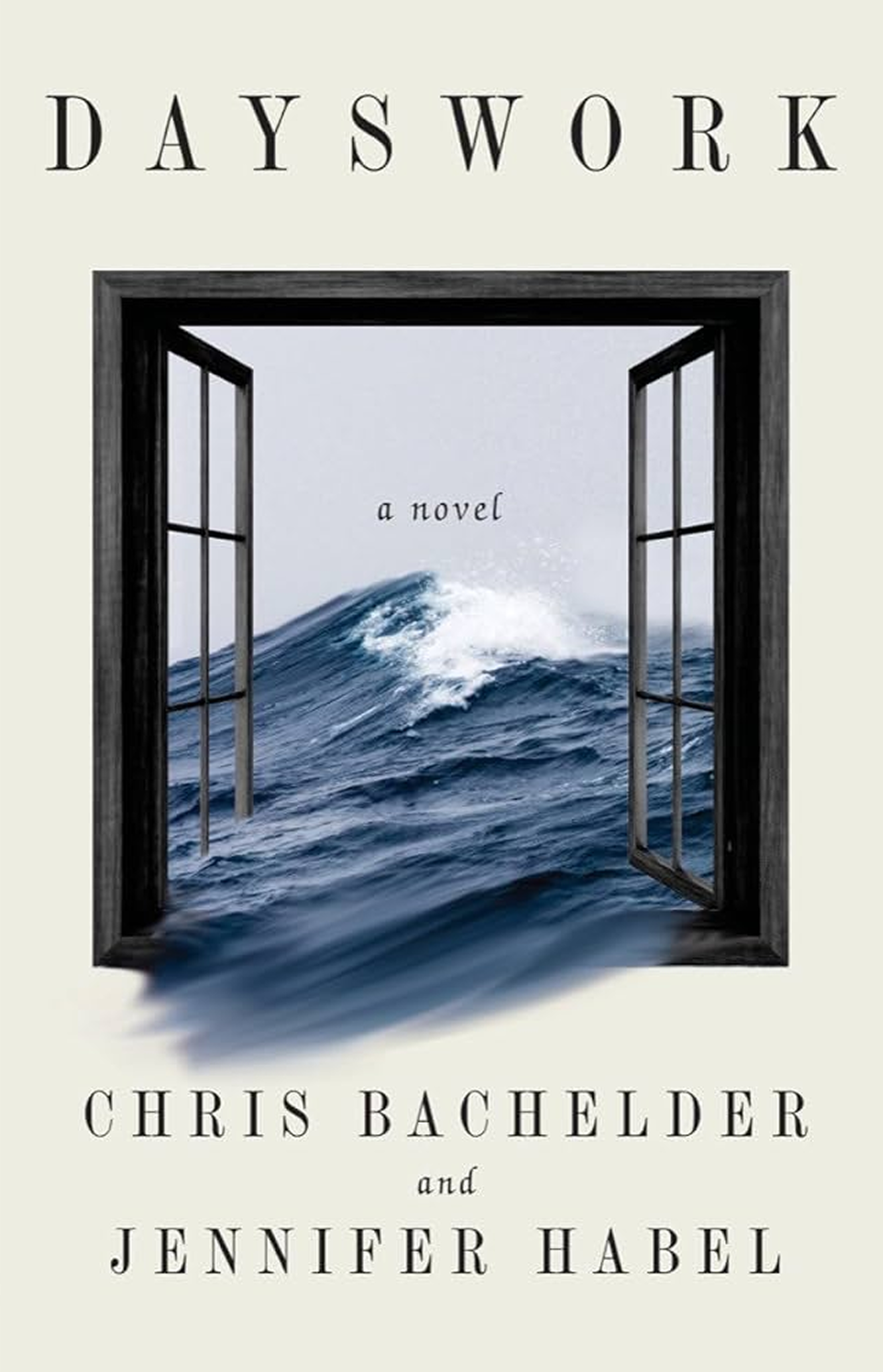
Dayswork
by Chris Bachelder & Jennifer Habel
I came late to Moby-Dick, only a few years ago, and was stunned no one had told me how funny it is, and how strange, experimental, and wildly post-modern. I’m also a huge fan of genre-bending essays. So of course I was going to pick up this fragmentary study of a woman obsessing over Melville during the long blur of pandemic lockdown.
The book moves between Melville’s life, Hawthorne’s influence, quarantine marriage, and the strangeness of lockdown time where the poetic and mundane constantly blend in the search to make some sense and meaning. All of this lifts Dayswork well beyond a mere pandemic novel. Structured as linked fragments, the book’s pastiche form reflects the associative, trail-following, rabbit-holing nature of research alongside constant—and funny—tension between curiosity and overwhelm.
“If you had less evidence,” my husband said, “you’d know how tall Herman Melville was.”
“Or if I had more,” I said.
She compares conflicting accounts of his height, parses subtext in his relationship with Hawthorne, catalogs every word Bartleby speaks. At one point during a text conversation with her husband, quarantined in their basement, he “signs off with a string of emojis intended, I think, to depict the relationship between Melville and Hawthorne.” Melville, it turns out, was a strange fellow. But boy could he write a sentence. Dayswork is both meticulous and absurd, and it culminates not in revelation but in small delights that are hard to resist.
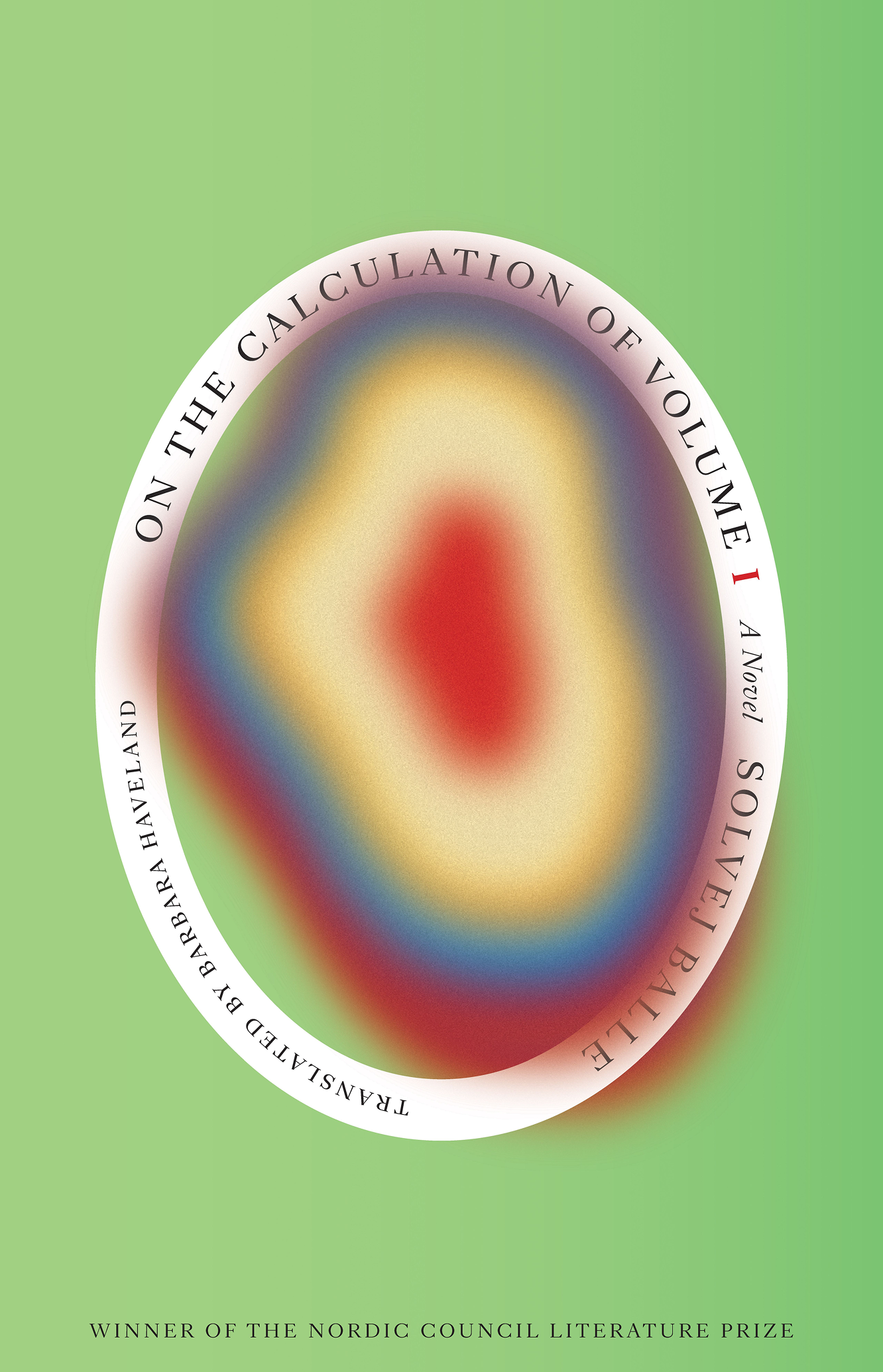
On the Calculation of Volume (Book I)
by Solvej Balle
I’m sure the comparison to the brilliant film Groundhog Day has been well-worn, but I’m a sucker for all things time-related. I listened during a long solo drive across the country, passing through the desolate wonders of southern Utah, white-knuckling the steering wheel every time my oil gauge shuddered. The sense of being suspended outside time’s usual cycle felt oddly appropriate. Though the premise recalls Groundhog Day, this novel goes well beyond the film’s basic existential frame.
The first in a series, it follows Tara Selter, who involuntarily relives the same day—November 18th—over and over. Her diary traces an entire year of November 18ths. Each morning the world resets, yet Tara seems to age. She can change geographical locations and wake somewhere new. Some objects she acquires, a toothbrush, remain, while others vanish overnight. She tests and retests the rules, cataloging patterns, searching for order, hoping that understanding the structure might offer a way back into time’s forward motion. Alongside this investigation she observes the changes in her marriage to Thomas. Some mornings she tells him the truth; others she withholds it, but each day his memory resets and she must decide again whether to explain herself. The distance between them widens. She stands outside a world that continues without her, and yet, like Cortázar’s Axolotl, sometimes it seems it is everyone else who is trapped behind the glass.
Balle’s prose only adds to the book’s hypnotism. It is rhythmically repetitive, measured, and perfectly balanced. Even though very little “happens” the novel sustains an atmosphere of illuminated ordinariness. Though only the first volume and an incomplete story, it felt somehow satisfying on its own. Still, I immediately reached for the second.
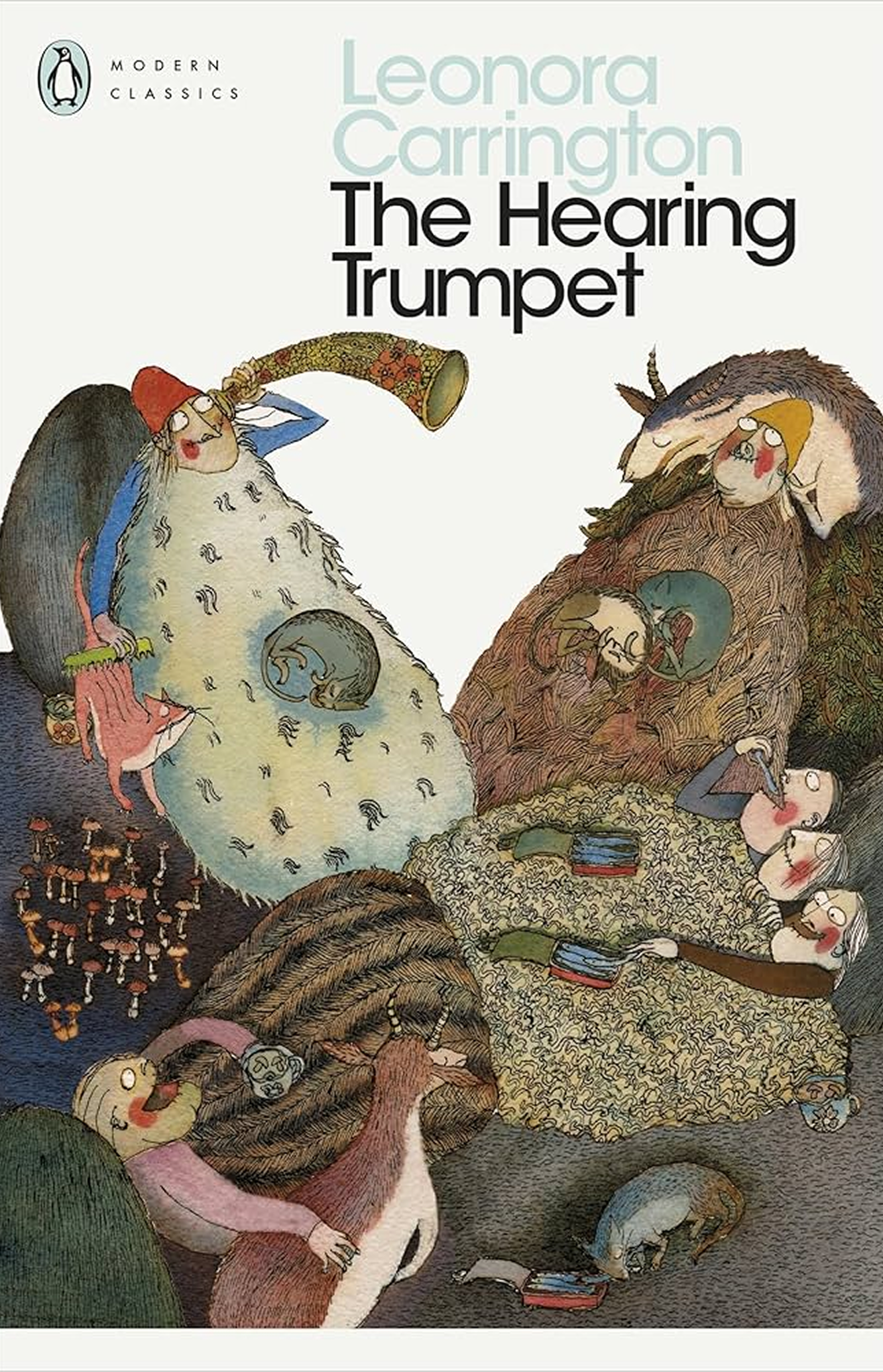
The Hearing Trumpet
by Leonora Carrington
This wasn’t the cover of my edition, but it’s too good not to feature. Leonora Carrington has fascinated me since I first encountered her stories through the NYRB Classics book club years ago, and her children’s book The Milk of Dreams remains a model of surreality. I had no idea she’d written a novel. I listened to this one while driving solo across the Rockies, the climate swinging from hundred-degree desert to subzero blizzard and back again. Apropos. The Hearing Trumpet starts weird and only gets weirder. It’s been called “gleefully anarchic,” and I can’t do much better.
What begins as a modest family drama—Marian, a hard-of-hearing ninety-two-year-old, receives a hearing trumpet from her friend Carmella and overhears a plot to institutionalize her—becomes a dizzying spiral of bizarro-ness. Magical conspiracies, occult societies, a cross-dressing Abbess, ancient mythology, alternate realities, the Holy Grail (naturally), and apocalypse. The many turns resist summary.
What holds it together is Marian herself: feisty, lucid, endlessly curious. Displaced and underestimated but never diminished. A wholly singular heroine who Olga Tokarczuk called hard of hearing but full of life. I love her. Somehow through all the bizarro machinery, friendship between Marian and Carmella tender, mischievous, and real.
So what is this book? It's fun! Less a linear story than a sustained act of imaginative defiance, proving that absurdity, far from trivializing seriousness, can be its sharpest form.
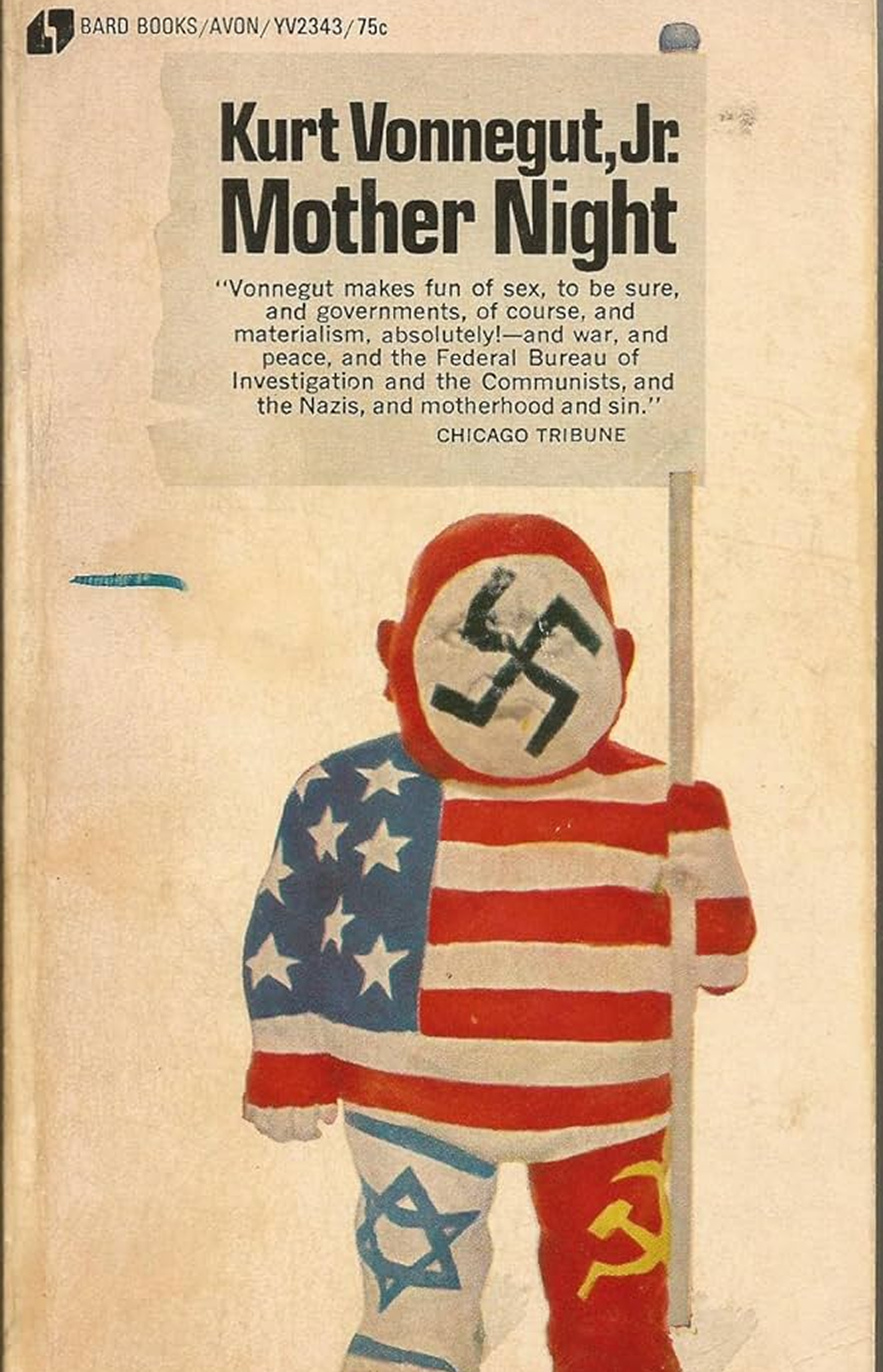
Mother Night
by Kurt Vonnegut
Vonnegut is the first author I fell in love with. 100% formative. But I also thought I’d read everything I’d wanted to read by him. After devouring him in my youth, I stopped and I didn’t return for years and years. So discovering Mother Night (upon my buddy’s insistence) felt like returning home, delighted by all the humor and moral sting I’d remembered. Vonnegut’s voice remains unmatched: light, deceptively simple prose, able to hold the serious and the silly in the same breath. The book moves at a surprisingly great clip considering the weight of the questions it holds.
Mother Night is framed as the memoir of Howard W. Campbell Jr., an American playwright who becomes a notorious Nazi propagandist during WWII—while secretly serving as a U.S. spy. Awaiting trial for war crimes, Campbell recounts a life built on performance. The central question: if you convincingly perform evil, does intention matter? As Vonnegut writes, “We are what we pretend to be, so we must be careful about what we pretend to be.”
The bleakest moments are the most comedic: coded broadcasts hiding secret messages, Nazi loyalists who idolize him and then drop dead, returning victims bent on justice, and an unexpected reunion that completely confuses his definitions of loyalty and love. The funniest moments are also the most moving. It’s a sharp, dark, deeply humane novel about identity and complicity. The moral vise tightens gradually. Vonnegut never sermonizes; he just lets the role consume the actor.
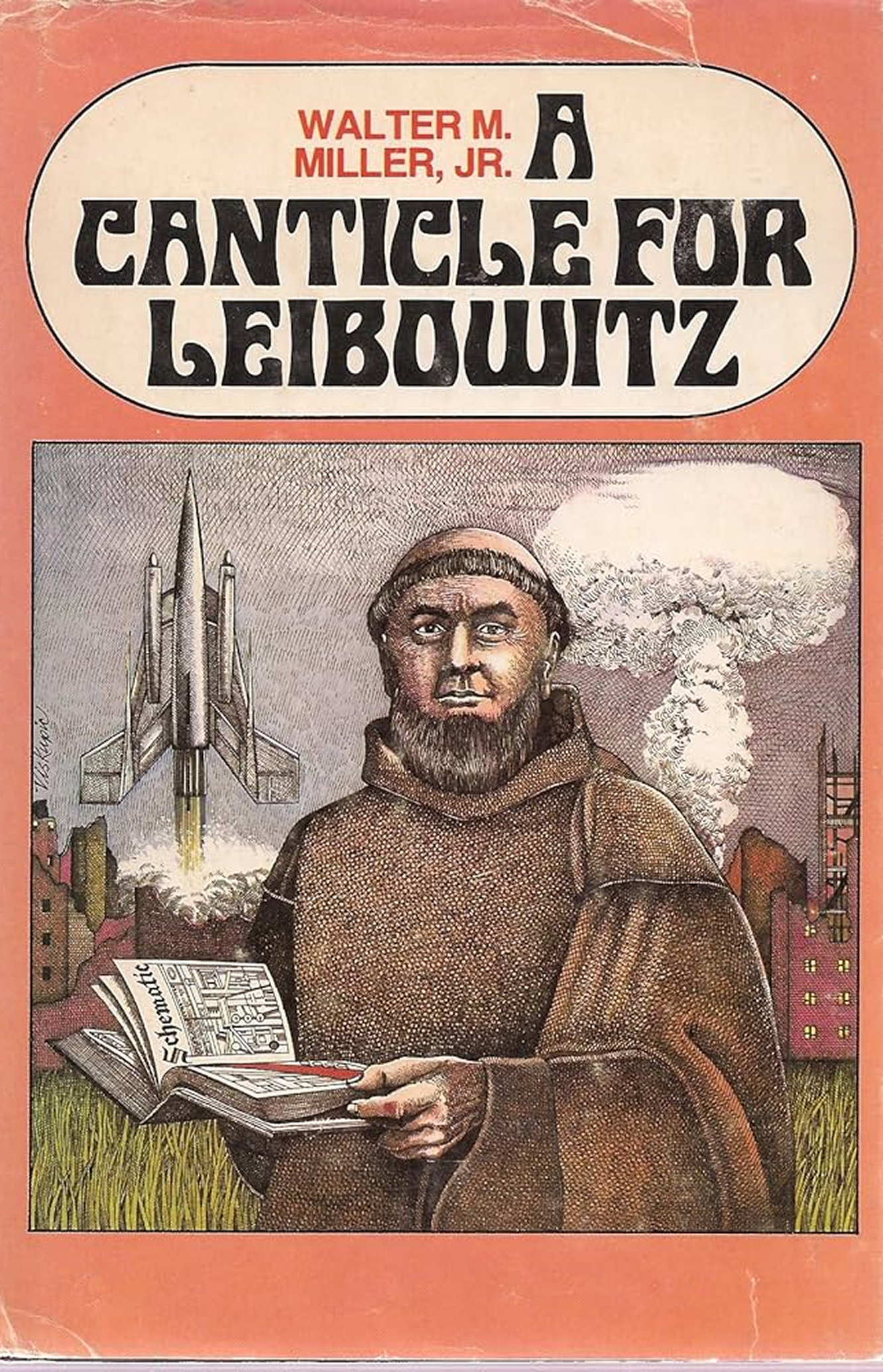
A Canticle for Leibowitz
by Walter M. Miller Jr.
I’ve had A Canticle for Leibowitz on my shelf to read ever since my first novel (my MFA thesis) The Many Raymond Days won a school award for first novel, and was described by judge and writer Matthew Iribarne as “A sort of Grey Gardens meets A Canticle for Leibowitz.” I had no idea what that meant. I can’t believe it took me a decade to find out. Now I get it: the chronicling of artifacts from a lost age to give weight to an invented one.
Set across centuries after a nuclear apocalypse, the novel follows a Catholic monastic order dedicated to preserving fragments of scientific knowledge they no longer understand. The premise itself is sly: the “artifacts” include a sacred grocery list. The breadth of world-building is impressive: warring factions and territories, the order’s struggle to survive amid rising tension and chaos, messages carried across vast distances and Mad Max-esque landscapes. But it’s the smaller moments that are most delightful—monks arguing over the significance of a diagram, scholars arguing over half-remembered physics attempting to reinvent lost science and technology like the light bulb, the dynamo.
Structured in three parts, each of which jumps ahead centuries, the novel ultimately traces humanity’s cyclical relationship with knowledge, power, and self-destruction. I discovered after reading that it was a fix-up, meaning the author brought three novellas together, changing some titles and names, adjusting passages and characters to glue it together. And it does hang together wonderfully, but how strange to write three different stories about futuristic monks. All the while Leibowitz himself is, as Douglas Adams once said, “just this guy, you know?” Somehow the joke doesn’t undercut the gravitas—it’s the monks’ humility, faith, and tragic devotion that remains the emotional core.
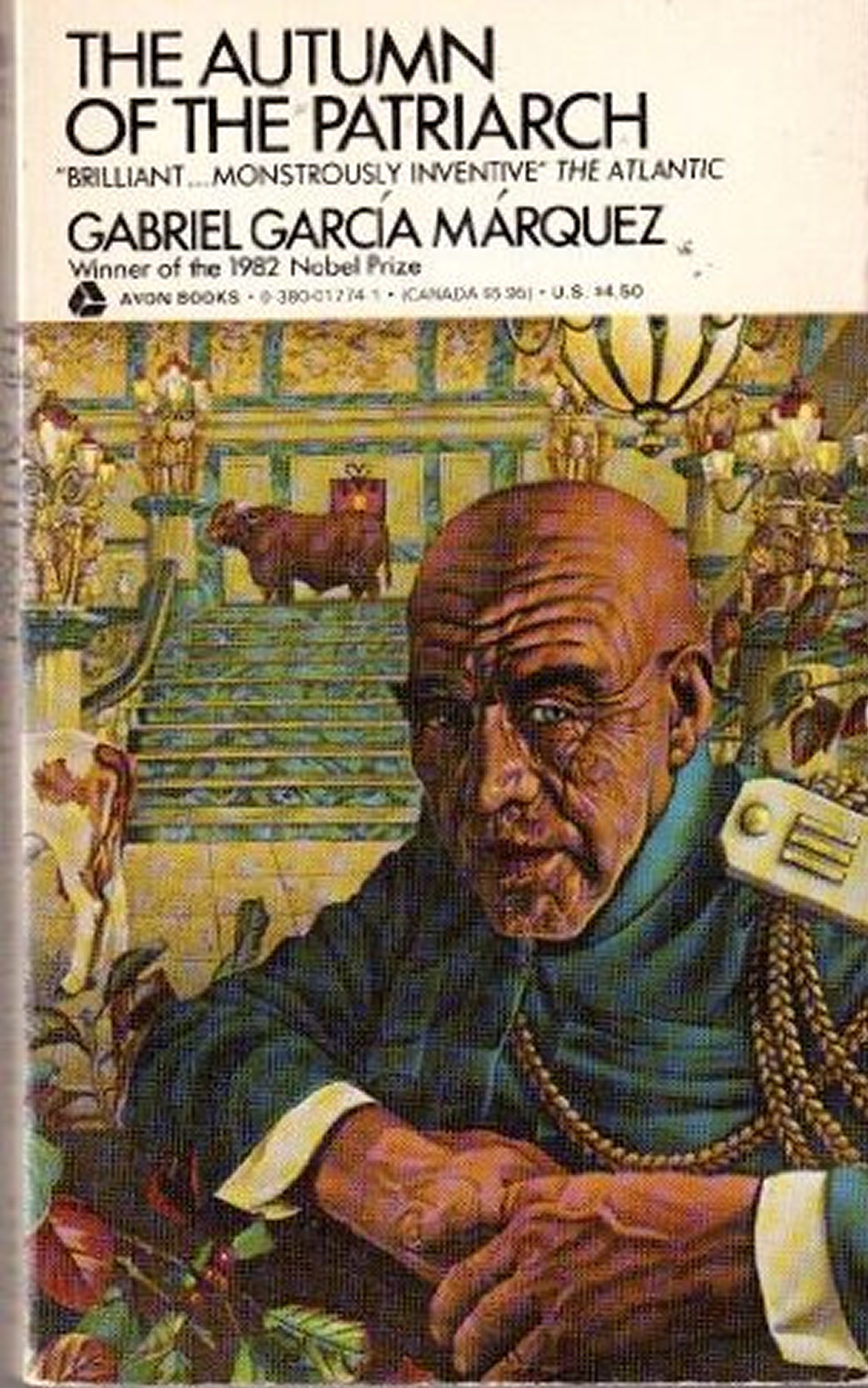
The Autumn of the Patriarch
by Gabriel García Márquez
It would not be absurd to wonder if any book I read by García Márquez would make that year’s list. One Hundred Years of Solitude would have. Memoirs of My Melancholy Whores and Strange Pilgrims did in past years.
The Autumn of the Patriarch is something else entirely: a lyrical, hallucinatory meditation on power and decay, following a long-reigning Caribbean dictator and told in García Márquez’s breathless, near-unpunctuated prose. One reviewer called it “less a story than a suffocating atmosphere,” which feels exactly right. It is an elemental portrait of tyranny, mythic and vicious akin to McCarthy's Blood Meridian, where rot is beginning and end.
The dictator is already dead when the novel opens, and yet he seems to die again and again, unable to escape the prison of his own authority. Unforgettable images rise from the whirlwind. The defense minister roasted and garnished for a banquet. Children forced to draw iced billiard balls for a rigged lottery, then hidden away in a hole. A mother canonized by decree. The palace itself fills and empties, bloated with power and then hollowed by it. Its wandering cows witness all.
García Márquez’s magical realism here feels less whimsical than oppressive, giving weight to not just the fantastic but the unbearable. It’s dense, mesmerizing, sometimes overwhelming. As the patriarch commands in my favorite scene: “eat hearty, gentlemen.”
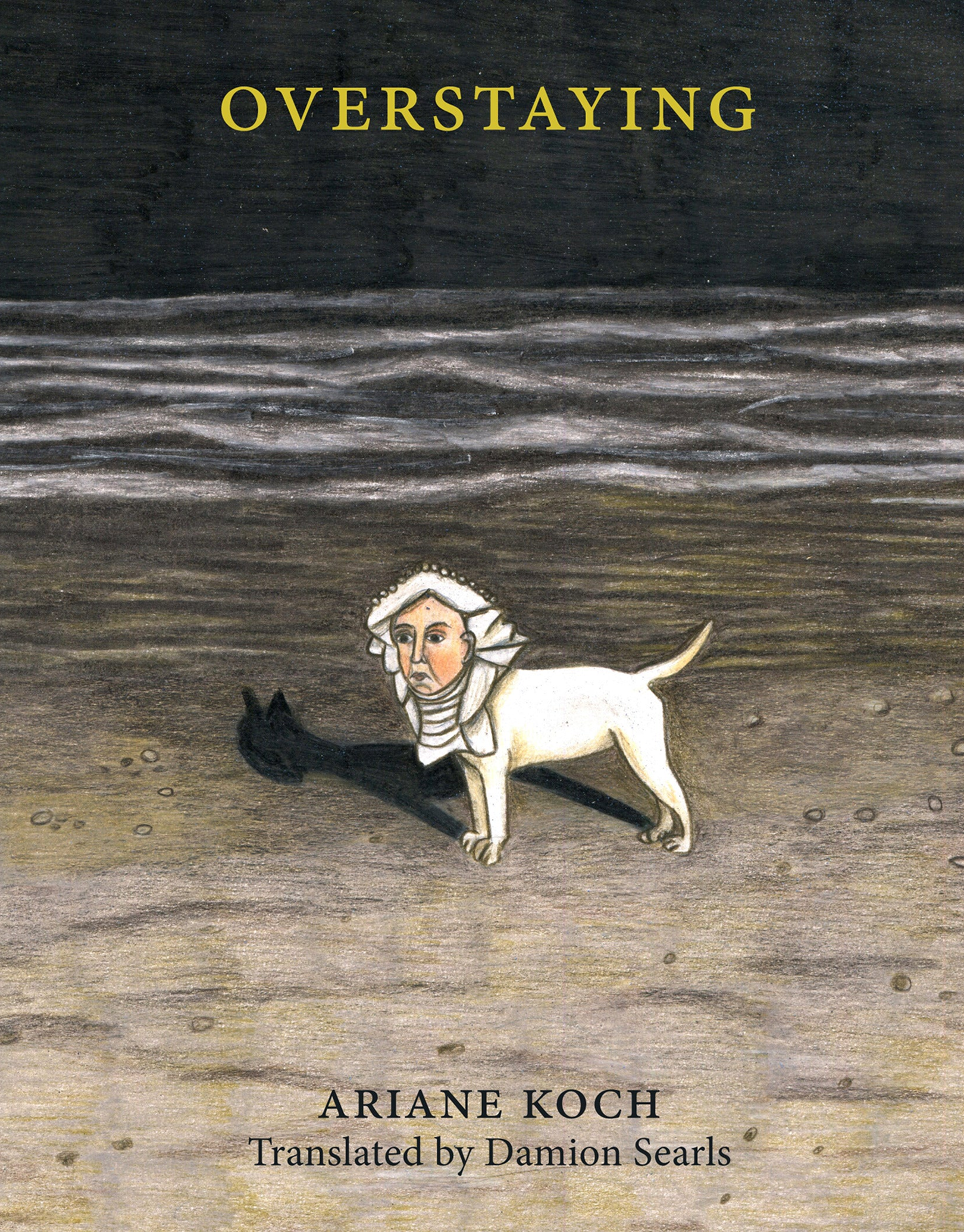
Overstaying
by Ariane Koch
I picked this up over the summer at Kepler’s Books in Menlo Park, CA. It rode around in a box in my truck for months, then sat on my floor back home—yet it was the first one I pulled out to read. I loved it immediately. Of any book on this list, this comic debut was the most purely enjoyable.
Overstaying centers on a young woman living alone in a small hometown she hates but can’t leave. When an unnamed visitor appears, she takes him in, and her life begins to orbit his as he quietly insinuates himself into her routines. The visitor though—his features and intentions alike—remains a blur of contradictions. I love watching awkward relationships unfold through politeness and restraint, and Overstaying is a sharp study of the quiet violence of social norms, navigating the edges between hospitality, obligation, and personal boundaries.
The action unfolds through the mundane: gestures slightly off, conversations strained or unspoken, everything carrying disproportionate weight. It’s delightfully infuriating, with the same pleasure of frustration as Ishiguro’s The Unconsoled, whose protagonist refuses the obvious at every turn. Koch’s narrator slowly surrenders space to this mysterious visitor, and yet when he leaves, we’re as bereft as she is.
What propels it most—what hooked me from page one—is the tumble of surprising sentences. Each one is unexpected by its end. Observe:
I only remember putting out a hand towel for him, which he grudgingly took in his claws. I remember him retrieving from his shapeless bag an item meant to constitute something edible, and putting it in my hand in exchange. I remember that I flinched when his brushfingers brushed against me because it reminded me of the time, many years ago, when a boy tried to hold my hand during a concert and I fainted. I remember how lying on the floor between all the people’s legs felt really nice.
The strangeness is in the syntax. Koch destabilizes reality for both narrator and reader with every sentence, creating a momentum entirely its own.
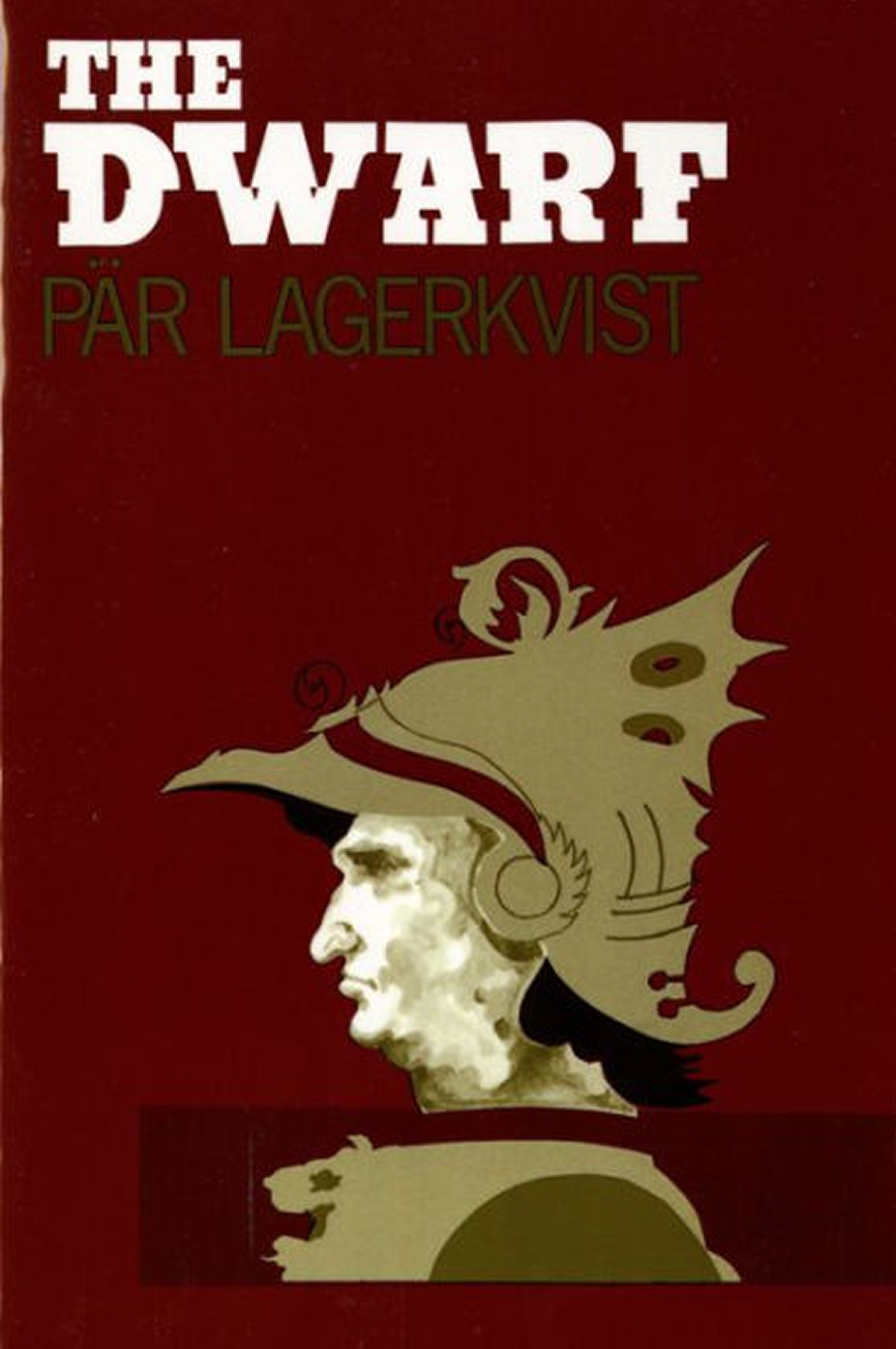
The Dwarf
by Pär Lagerkvist
One of the last books I read this year had also been on my shelf for ages. After nearly seventy books, I worried I’d struggle to assemble a top ten, so my friend said, “Just read The Dwarf already, dammit,” and so I did.
The Dwarf sits squarely in a subgenre my friend and I call hate lit, alongside gems like Saint Sebastian’s Abyss and Demolishing Nisard. The hater here is Piccolino, a misanthropic court dwarf serving the prince of a fictional Renaissance Italian city-state. At first, his worldview presents itself as a refusal to accept denigration or pity: he claims true dwarves see what others cannot, their instincts closer to natural law, almost fairy-like in clarity. But it quickly becomes clear—through his viciously candid voice, delivered in compressed diary entries—that his worldview is twisted, bloodthirsty, and utterly without pretext.
A representative moment:
She has always been rather sickly, for reasons which could not possibly affect anybody else’s health. Ah, now I remember. It was when I cut off her kitten’s head.
Piccolino’s sense of superiority gives license for his love of cruelty, envy, and power, and his contempt for art, beauty, love, and mercy. Unlike the courtiers he despises for hypocrisy, he hides behind no moral camouflage. From beside the Prince, he watches intrigue and violence unfold—war, siege, plague—recording events while begging to participate, seething when excluded. His relationship with the Princess is especially unsettling: her apparent purity provokes his loathing, and we watch her unravel under his psychological torment. Even his closest approximation of honor—an attempt to prevent the rape of the Prince’s daughter—twists into catastrophe. In the end, he waits calmly, bored, in a dungeon for whatever comes next.
It’s a study of the thin margin between clarity and cruelty, and the dangerous ease with which violence can be justified.
Honorable mentions
Choosing ten books this year was hard, as it always is. Getting it down to twenty or fifteen is easy, but there are always books I had to ruthlessly cut—books that would have made the list in another year, or even in another mood. So here’s a shoutout to some that didn’t quite make the final ten.
To Dino Buzzati for The Bewitched Bourgeois, brilliant as always, though a collection this large can’t help but be uneven.
To Axel Jensen for Epp, the strangest little sci-fi book I’ve ever read that somehow just faded from memory upon completion.
To Muriel Spark, whom I read every year, for her first novel, The Comforters.
To Tommaso Landolfi for Gogol’s Wife, which could’ve made it for the title story alone.
To Ryūnosuke Akutagawa for Kappa, and the time I spent among your uncanny water sprites.
To Ryszard Kapuściński for Shah of Shahs, a brutal portrait of Mohammad Reza Pahlavi.
To Nora Nadjarian for Ledra Street, and your quietly devastating stories set along a famously divided road in Nicosia, Cyprus.
And finally to Terry Bisson for Tomorrowing—a brilliant sci-fi original who died in 2024, leaving behind (among much else) a dizzying archive of inventive, hilarious micro-worlds, one per month for twenty years. Thank you.
Some books stay. Some fade.
Some change shape months later. If there’s a pattern this year, it’s this: less relatability, more bewilderment. On to 2026.
